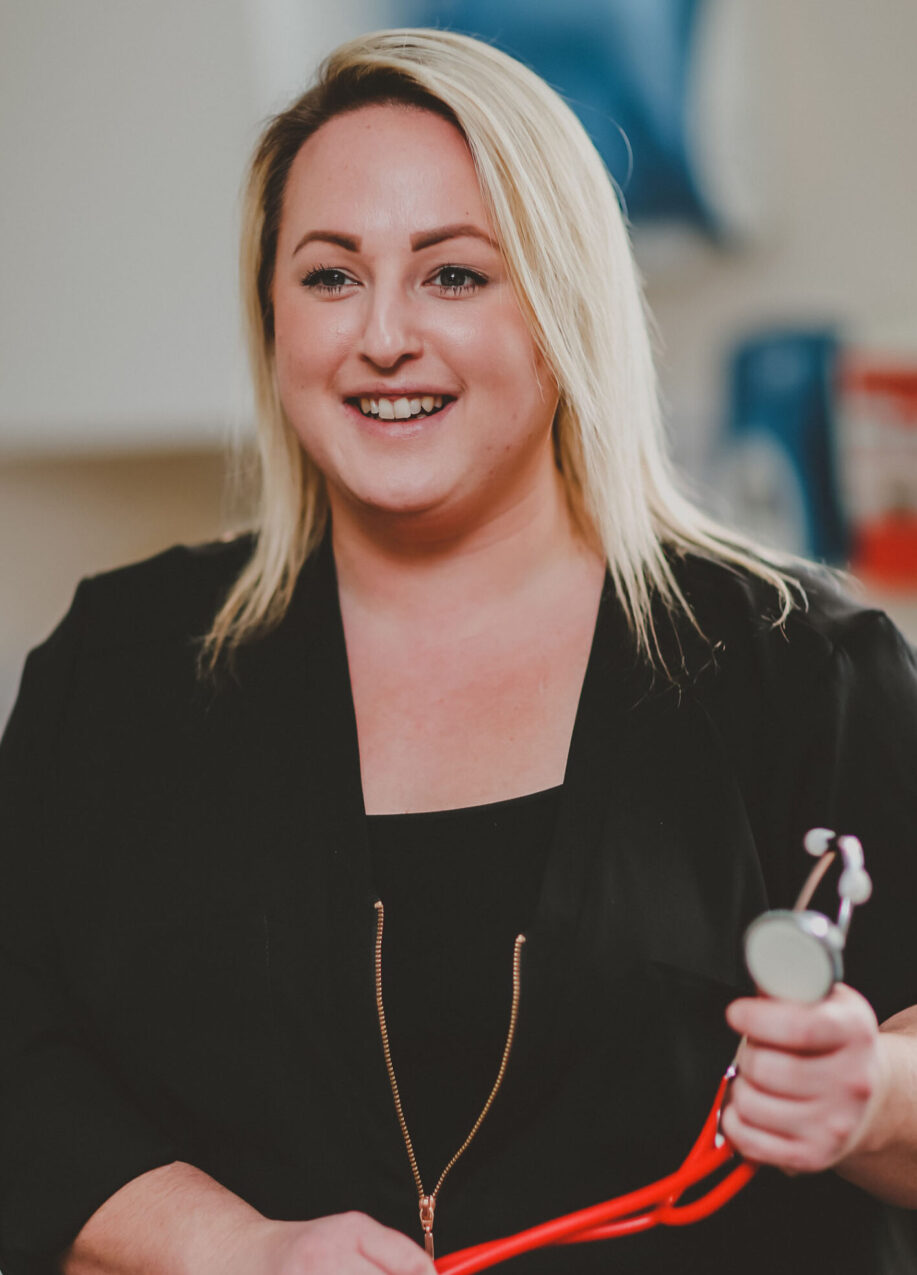
Helen is a nurse by background and is responsible for the health of all young people across the services at InFocus. In this sit down interview, she tells us about how important her healthcare teams are and what kind of support they provide.
What healthcare provision is there at InFocus?
Health is a huge part of the organisation; it takes a lot of work to put the right support in place for individuals. I believe health shouldn’t define someone’s experience here, however managing a condition is central to living a fulfilling life, so that the young people can take every opportunity to have adventures, learn and enjoy themselves. I manage the nursing team and the therapy team, which consists of the speech and language therapists, physiotherapists, occupational therapists – everyone plays a vital role in empowering young people here.
What do we mean by complex needs?
Everyone at InFocus has a vision impairment, and most also have one or multiple diagnoses to manage or even complex diagnoses. These could be physical disabilities, learning difficulties or life limiting conditions. What that looks like for healthcare on a day-to-day basis hugely varies, it could be posture management to ensure someone can carry out their day safely, or another example is epilepsy, which requires constant attention and intervention.
Why is it important to have a health team here?
At InFocus we believe that person-centred care is crucial, that means we prioritise giving people dignity in their healthcare, especially as disabled people manage so many health challenges. My mantra is- if the healthcare isn’t what I would expect for myself, why would I expect any less for a young person here.
Effective teamwork across health and therapy is essential to deliver that quality of healthcare. I have situated my teams in an open plan office to encourage joined up working, such as information sharing about our approaches and experiences working with the young people. Incidental conversations about challenges or successes in our work can sometimes provide the answers for other team members.
Another element of our work is upskilling staff across other teams, such as our learning support staff, so that they can confidently support young people with their health and wellbeing. This means that it’s not always necessary to have a nurse present. Not only do we upskill staff, but we also work hard to ensure young people are trained to manage their own health needs if its possible. This is crucial for enabling their independence, especially when disabled people have often experienced procedures done to them since they were children. Having the confidence and skills to measure their own blood pressure level for instance, can be life changing. I recently hosted two students for work experience as they were enthusiastic to learn about nursing. Both students picked up valuable skills for a healthcare environment – by the end I was confident that one student could measure my blood-sugar levels independently. I hope both students can take this experience into any volunteering or work they do in the future.
Can you talk about the range of need for healthcare here?
There are varying needs at InFocus, everyone has a degree of vision impairment. There is a spectrum of other needs, ranging from individuals who have no other diagnoses, to those who require daily intervention and support managing one or multiple conditions. It’s common to have sudden illnesses strike here, we had a hospitalisation recently.
Part of my role is to always be prepared for an emergency. We have emergency protocol tailored to each young person in their care plan, which is created with the direct advice of their consultant. All health staff are required to have up-to-date emergency training, so they’re always ready to respond.
How do you support someone who has vision impairment and complex needs to attend a hospital appointment or dentist appointment?
We explain the appointment in an accessible way and why an appointment or procedure is needed. We’ll ask what the individual thinks about their health and what their expectation is. If it’s not possible to ascertain their expectation, we’ll look at their history of medical appointments and assess the best approach, with their best interests as a priority.
A key part of our support is enabling young people to advocate for themselves in a medical environment (which can be tricky for someone without complex health challenges!) If somebody cannot advocate for themselves and communicate directly with a medical professional that they are in pain, we make sure they can in a different way. Our learning support staff or speech and language team will help them to do so by using their preferred method of communication, such as Picture Exchange Communication System (PECS) or audio devices, which can speak for them. We also make it our mission to learn each person’s signs to show that they’re in pain. I am on hand to advocate on behalf of the young person about medical knowledge and their medical history.
It’s crucial to stress that everyone at InFocus has the right to choose whether to have a medical procedure or not, just as you or I can.
How does vision impairment play a role in healthcare at InFocus?
Vision impairment, as something that everyone at InFocus has, is a key area for the health team. We run specialist vision clinics with ophthalmologists to address the sight needs of everyone. Ultimately, we want to maximise any vision a young person has.
Vision impairment also affects how people access healthcare; at InFocus we’re hyper aware of this and work constantly to ensure health provision is accessible. A minor observation can be scary if you have little or no vision, therefore preparation is key to supporting someone with VI in a healthcare scenario, to reduce anxiety as much as possible. With this in mind, we provide the young people with vision impairment aids, such as a tactile blood pressure gage, and we’d talk them through the procedure, mimicking the sound to prepare them.
What is the best thing about working at InFocus?
Personally, seeing a young person lead a fulfilling life, despite facing the challenge of complex health difficulties, is inspiring. Knowing that that the health team have contributed to that person’s holistic wellbeing is everything for me.
I also love our Christmas Extravaganza and our Christmas Show – it’s so touching to see the InFocus community come together and bring joy to one-another.